Bus Speed vs. Car Speed: Understanding Safety and Velocity
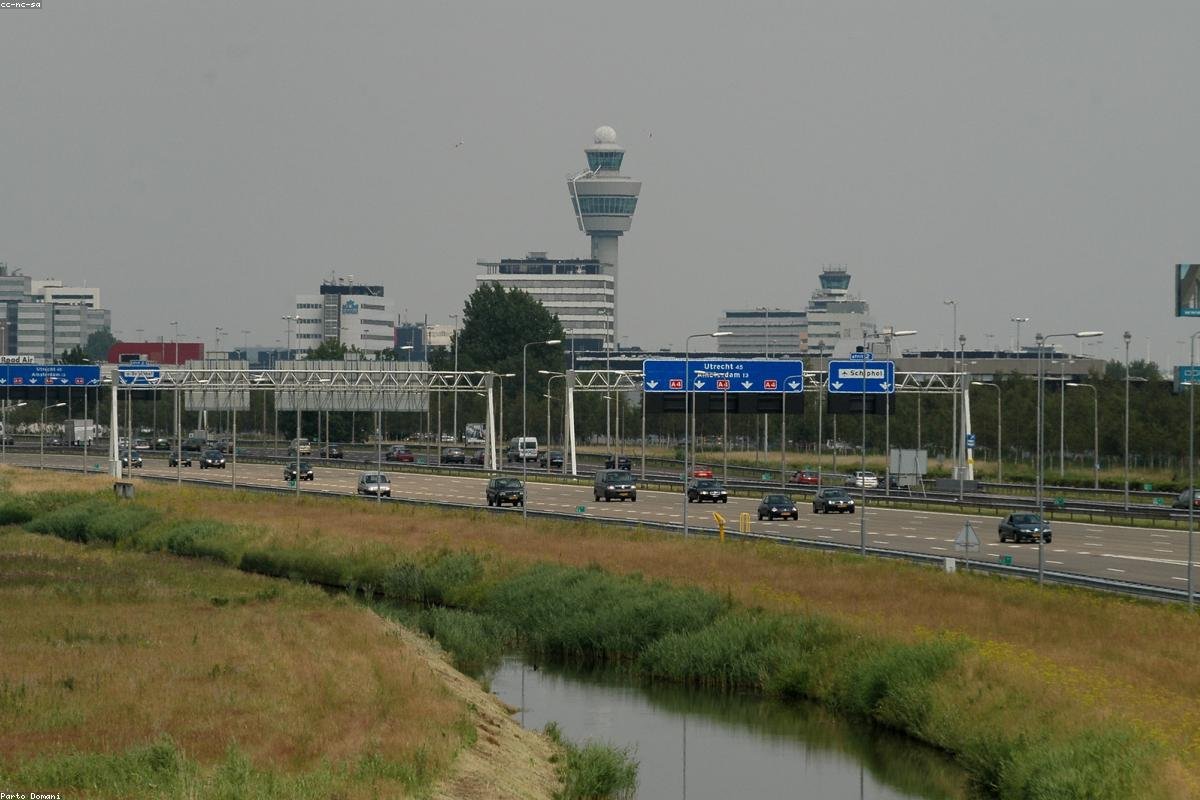
Have you ever been a passenger on a highway bus, watching smaller cars zip past you, and wondered if the bus was moving too slowly or if those cars were exceeding the speed limit? Whether you are a concerned commuter, a student of physics, or a road safety advocate, understanding the dynamic relationship between different vehicle velocities is essential for a safer travel experience. The problem many face is the total lack of transparency in public transit speed—unlike your car's dashboard, you often can't see the driver's speedometer from your seat. This information gap often leads to anxiety during high-speed highway travel, as you have no objective way to verify if your bus is operating within safe, legal limits or if a car's reckless pace is putting you at risk.
The solution is a high-precision digital comparison tool that brings the metrics of the road directly to your seat. By leveraging the advanced **gps speed meter** technology inside your smartphone, you can independently track the velocity of any vehicle you are traveling in. In this guide, we will explore the different legal speed caps for buses and cars, the physics of "momentum" in public transit, and the best techniques for verifying your travel speed in real-time. Whether you are on a daily commute or a long-distance road trip, discovering the reality of **bus speed vs. car speed** will change the way you perceive the motion around you forever.
Table of Contents
What Is Bus Speed vs. Car Speed?
The comparison of **bus speed vs. car speed** involves more than just raw numbers; it is a study of two different classes of vehicle engineering and legal mandates. While a modern car is optimized for aerodynamic efficiency and individual transport, a bus is designed for heavy-load stability and collective safety. A **gps speed meter** allows you to see these differences in action—buses are often legally speed-limited (via electronic governors) to 100 km/h (62 mph) on many global highways, whereas cars are typically allowed more flexibility and can naturally accelerate faster due to their lower mass and higher power-to-weight ratios.
This technology comparison is for commuters, safety investigators, and curious travelers. It matters because it highlights the "mass-velocity" relationship—a bus at 100 km/h carries significantly more kinetic energy than a car at the same speed, requiring much longer stopping distances and stricter speed management. Furthermore, using a **speed meter lite app** as a passenger acts as a transparent third-party monitor, allowing you to stay informed about your journey's progress without needing access to the driver's cabin. It is a fundamental part of the **gps speed meter** family of tools, focused on creating an informed traveling public.
In the broader scope of transport metrics, this comparison is related to the specialized tracking found in a **train speed meter** or a **bike speed meter**. While a **train speed meter online** tracks massive iron-on-iron motion, comparing buses and cars focuses on the complexities of rubber-on-asphalt highway travel. Whether you are using a **ball speed meter** for sports or testing your vehicle's velocity with an **online speedometer**, understanding the relative speed limits of your environment is the key to safe and predictable travel.
Benefits of Comparing Vehicle Speeds
Accessing real-time comparisons of **bus speed vs. car speed** provides several advantages for the modern traveler. Here are the primary benefits of using a high-precision **gps speed meter** on the move:
- Enhanced Personal Safety: Independently verify if your bus driver is exceeding safe limits or speed-governor mandates, providing peace of mind during your journey.
- Accurate Arrival Estimates: By knowing your true ground speed via a **speed meter lite**, you can calculate more realistic arrival times than a bus's generic schedule might promise.
- Fuel and Efficiency Awareness: Understand why cars passing you aren't always a bad sign—maintaining a steady "bus speed" is often the most fuel-efficient way to travel for heavy vehicles.
- Universal Travel Tool: Use the same **gps speed meter online** whether you are in a shared van, a luxury coach, or a rental car, ensuring consistent data cross-platform.
- No Hardware Costs: You don't need a high **bowling speed meter price** for dedicated sensors; the GPS tech in your pocket provides professional travel metrics for free.
- Verification of Throttling: Track if your internet service is working via an **internet speed meter lite** alongside your velocity to see if "speed drops" correlate with tunnel entry or topography.
How to Use / Apply Live Speed Tracking
Achieving high-accuracy results when comparing **bus speed vs. car speed** is a matter of optimizing your signal reception and understanding the legal context. Follow this guide for the best results:
- Select a Satellite-Optimized Tool: Open a high-precision tool like SpeedSmeter.online in your browser. For long journeys, choose a **speed meter lite** that minimizes battery draw.
- Position Near the Window: Bus shells are often thick and can block GPS microwave signals. For a reliable **gps speed meter** lock, sit in a window seat and keep your device near the glass.
- Identify Local Speed Laws: Understand that in many regions, a "Bus Speed" sign might be 10kph lower than a "Car Speed" sign. Compare your reading to the correct legal category.
- Enable High-Accuracy Mode: In your device's settings, ensure location services are set to "GPS Only" or "High Accuracy" to get the most reliable live velocity data.
- Monitor Relative Motion: Use the **gps speed meter** to see your speed as cars pass. The difference in your readings will give you a clear "Relative Velocity" metric.
- Log Journey Milestones: Record your peak and average speeds. This data is invaluable if you ever need to report a safety concern to a transit authority or motor carrier.
Common Mistakes to Avoid
Even with advanced GPS trackers, certain errors can lead to misleading or jumpy data. Avoid these common pitfalls for a better **bus speed vs. car speed** comparison:
- Mistaking Altitude Speed for Ground Speed: Some tools struggle if you are traveling in mountainous terrain. Use a **gps speed meter** that accounts for 3D coordinate changes.
- Confusing Connection Speed with Velocity: Don't download an **internet speed meter apk** or **mod apk** by mistake. Those measure ping and bits-per-second, not kilometers-per-hour.
- Ignoring Tunnel Drop-outs: GPS signal is lost in tunnels. If your **speed meter lite** shows 0 kph while you are moving, it's a signal error, not a stop.
- Using Non-Verified Tracking Software: Stay away from **internet speed meter pro apk** files from unverified websites. Only trust official stores or web platforms for your travel data.
- Misapplying Units: Be sure you aren't comparing a "Car Speed" in MPH to a "Bus Speed" in KPH. Ensure both metrics on your **online speedometer** are in the same unit.
Best Tips & Strategies
To master the art of road telemetry, implement these expert-level strategies designed for high-resolution transit monitoring:
The "Window-Seat" Advantage
Always choose a seat on the side of the bus that has the most "sky" exposure. This allows your **gps speed meter** to lock onto 8-10 satellites rather than just 3 or 4, drastically increasing precision.
Sync with Route Maps
Use your **speed meter lite** alongside a live transit map. Seeing your velocity drop in specific zones helps you identify "congestion patterns" that can help you plan future, faster commutes.
The "Safety Verification" Protocol
If you feel the bus is swaying or moving too fast, check your **gps speed meter online**. Having an objective number helps you decide if a situation requires attention or if it's just a normal part of heavy vehicle motion.
Things to Consider Regarding Transit Safety
Before you rely 100% on digital tracking, keep these technical and environmental factors in mind to ensure your perspective remains balanced:
- Governor Calibration: Most commercial buses have a speed governor. If your **gps speed meter** shows a consistent "flat line" at 100kph, the bus is likely mechanically limited to that speed.
- Manufacturer Padding: Like cars, bus speedometers on the dash often "overstate" speed for safety. Your **gps speed meter** is usually the more accurate reading.
- Weather Distortions: Heavy rain or snow can absorb some GPS signal, leading to slightly less responsive updates on your **speed meter lite app**.
- Stopping Distances: Remember that a bus at 80 km/h requires much more road to stop than a car. "Safe speed" is relative to the mass of the vehicle you are in.
FAQ Section
Why do buses usually drive slower than cars on the highway?
This is primarily for safety. Due to their high center of gravity and massive weight, buses have much longer stopping distances. Legal "Bus Speed" limits are often set lower to prevent roll-overs and high-energy collisions.
Is a gps speed meter more accurate than the bus's speedometer?
Yes, in most cases. A gps speed meter tracks true ground speed via satellite, whereas mechanical speedometers can be affected by tire wear, pressure, and manufacturer safety offsets.
Can I use an internet speed meter to track the bus?
No. An internet speed meter lite apk measures your digital bandwidth. To track physical movement, you must use a dedicated gps speed meter online tool.
Does the number of passengers affect the speed?
While the weight affects the bus's acceleration, the top speed is usually controlled by a mechanical or electronic governor. Your speed meter lite will show the speed the engine allows, not the weight.
Conclusion
Understanding the dynamic between **bus speed vs. car speed** is a fundamental skill for the modern traveler. By leveraging high-precision **gps speed meter** technology, you can move beyond the "blind" commute and start traveling with objective, real-time data. Whether you are using a **train speed meter** to monitor your rail journey or a **speed meter lite** to verify your highway safety, the ability to see the world’s velocity is a significant benefit. It turns a passive passenger experience into an active, informed, and ultimately safer journey.
As you continue your travels, remember to use the strategies outlined—such as the window-seat advantage and syncing with transit maps—to ensure your data is as reliable as possible. Avoid the distractions of non-travel software like an **internet speed meter apk** and focus on true motion sensors. Your safety is worth the data. Start your live travel test today and see the road from a new perspective. Your next journey deserves the precision of the modern digital world.
Keywords
Main Keyword: Bus Speed vs Car Speed
- train speed meter
- bike speed meter
- bowling speed meter
- internet speed meter lite
- bowling speed meter price
- gps speed meter
- internet speed meter mod apk
- wind speed meter
- cycle speed meter
- cricket bowling speed meter app
- internet speed meter apk
- internet speed meter lite app
- speed meter lite app
- bowling speed meter app
- ball speed meter
- train speed meter online
- bowling speed meter online
- internet speed meter pro apk
- speed meter lite
- air speed meter